
Angkor Wat: The Real Talk on Logistics, Crowds, and How to Actually Enjoy Your Bucket-List Moment

As a local guide I get asked this question constantly:
Is Angkor Wat worth it, or will I just be standing in a sea of tourists taking the same sunrise photo?
My Honest answer? It can be both. But here’s what I’ve learned after guiding hundreds of travelers through Cambodia’s crown jewel, the experience you have at Angkor Wat is almost entirely determined by the decisions you make before you arrive.
And that’s actually good news, because it means you’re in control.

The Fear That Brings People Here (And Keeps Them Away)
Angkor Wat isn’t just a temple—it’s *the* temple. The one on postcards, in movies, in a thousand of travel blogs. That fame cuts both ways. Yes, it attracts crowds. Yes, the heat is genuinely brutal. But that’s also why it’s life-changing, and why the logistics matter so much.
The good news? I’ve cracked the code on both.
The Logistics: What You Actually Need to Know
Getting Your Temple Pass: Timing Is Everything
First things first—you need an Angkor Archaeological Park pass. Here are your options:
*1-Day Pass ($37 USD)

Best for: Day-trippers or those on a tight schedule
Reality check: You can see the major temples, but you’ll feel rushed. This is the most crowded option because everyone’s cramming everything into 8-10 hours.
*3-Day Pass ($62 USD
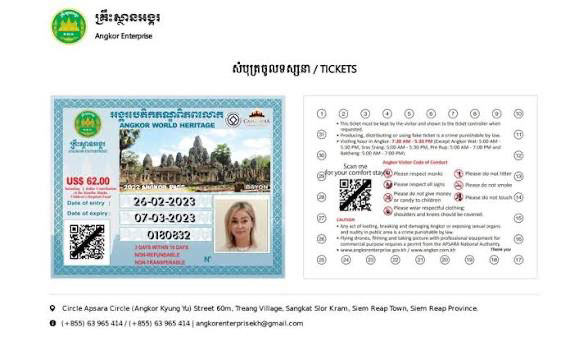
Best for: Most travelers (this is my recommendation)
Why? You get flexibility, breathing room, and time to actually *absorb* what you’re seeing instead of just checking boxes. You can explore at dawn, skip the midday heat, and revisit your favorite temples when the light is golden.
3-Day Pass Pro Tip: You don’t have to use your days consecutively. Got the pass on Monday? Use day 1 Monday, then come back Wednesday and Thursday. This is a game-changer for pacing yourself.
How to Physically Get to Those Temple complex?
If you’re staying in Siem Reap (which you should be)
Tuk-tuk:

The most popular option. Costs about $15-25 for a round trip if you negotiate. Pick up around 4:30 AM for sunrise.
Hotel shuttle: Usually $8-12, but your schedule is locked in. Not ideal if you want flexibility.
Private driver through a tour company: Costs more but gives you freedom and local expertise. Worth it if you’re splitting the cost with travel buddies.

Actual time to temple from Siem Reap: 30-45 minutes depending on traffic and which temples you’re heading to first.
What to Bring (This Matters More Than You Think)
-Water. So much water. 3-4 liters minimum. Seriously.
- Electrolyte tablets (like Liquid IV or Nuun): The heat will destroy you without these.
- Lightweight, breathable clothing: Loose pants or long skirts (temple etiquette), a thin long-sleeve shirt
-Sturdy walking shoes with good grip, The temples have worn stone steps. Flip-flops are a disaster.
-High SPF sunscreen (reef-safe), Reapply every 2 hours
-A small backpack, You’ll be hiking between temples for 6-8 hours
-Blister prevention supplies: Because blisters will ruin your life
-A sarong or light scarf: Covers shoulders at temple entrances, doubles as a sun shield
-A reusable insulated water bottle: Buy drinks from vendors and refill to save money and reduce plastic
The Money Piece
- Temple pass: $37-62
- Transportation: $15-25
- Food/drinks in the park: $15-30 (bring most of your own water to save here)
Budget per person: $90-155
*Pro tip: Many accommodations include sunrise transportation with booking. Always ask.
The Crowd Question: This Is Where My Advice Actually Changes Your Life
The Real Truth About Tourists at Angkor Wat

Yes, there are crowds. **But** they’re predictable, manageable, and honestly? They disappear if you know when to move.
The Golden Hours (And I Mean That Literally)
The Sunrise Situation
Everyone wants sunrise. EVERYONE. This means:
- Sunrise at Angkor Wat is between 5:30-6:00 AM depending on season
- Tourists start arriving at 5:00 AM
- By 5:45 AM, the main viewing platforms are packed shoulder-to-shoulder
- By 6:15 AM, it’s honestly a bit chaotic
*What I recommend instead:*
Go to a different temple for sunrise—*Beng Mealea* (45-50 min away). It’s equally stunning, feels secret, and you’ll have space to breathe. Then head to Angkor Wat around 9AM when sunrise crowd has cleared but it’s still beautifully lit. You’ll have the best of both worlds.

The Midday Escape (5 Most Peaceful Hours of Your Day)
11:30 AM - 4:30 PM = Golden opportunity
When:
- Tour groups are at lunch
- Independent tourists are hiding in their hotels
- The sun is brutally hot (yes, this is the point)
What to do:
- Explore the smaller, lesser-known temples like **Thommanon**, **Ta Prohm’s quieter sections**, or **Banteay Kdei**
- Climb **Phnom Bakheng** for afternoon light (fewer crowds than sunrise)
- Grab a long lunch and nap in Siem Reap, then return for evening or have lunch at some local restaurants near by the temple.
The Late Afternoon Golden Light (The Secret Weapon)
4:00 PM onwards = Photography paradise with fewer people
Why this time is the best.
- Tour groups are gone
- The light is soft, warm, and absolutely magical
- You can have entire temple sections to yourself
- Way fewer photos have you blurry in the background
This is my highest-kept secret. Sunset at Angkor Wat is genuinely stunning, and sunset from *Phnom Bakheng* (the hill temple with 365 steps—one for each day) offers views across the whole complex.
You should aim to arrive at 4:30 PM, and you’ll have time to climb and settle in.

The Day-by-Day Strategy for 3-Day Pass Holders
Day 1: The Main Event
- Sunrise at Beng Mealea or alternative temple
- Breakfast in Siem Reap
- 7:30 AM arrival at Angkor Wat
- 8:00 AM - 12:00 PM: Explore the main temple thoroughly
- Lunch break + rest (12:00 PM - 3:00 PM)
- 3:00 PM - 5:30 PM: Hit smaller temples while fresh
Day 2: The Exploration
- Sleep in. Enjoy breakfast.
- 9:00 AM: Hit Ta Prohm (Tomb Raider temple) early before crowds
- 11:00 AM - 3:00 PM: Lunch and rest, or explore Bayon’s face-temples
- 4:00 PM - 6:30 PM: Sunset at Phnom Bakheng or return to favorite spot from Day 1
Day 3: The Gems
- This is your flexibility day
- Revisit anywhere that called to you
- Explore temples you missed: Banteay Srei, Beng Mealea (if you have extra ticket), or quieter sections of the complex
Real Talk: Yes, There Are Still People
Even with perfect timing, you’ll see other tourists. Angkor is huge (402 square kilometers), so here’s the mindset shift I recommend:
Instead of “avoiding crowds,” think “minimizing interference in your experience.”
You can:
- Still have meaningful moments with fewer people in your frame
- Take beautiful photos without waiting 20 minutes for a clear shot
- Actually read the temple history and absorb the spiritual energy
- Have space to sit and reflect instead of being swept along by group momentum
The tourists who struggle most are the ones who expect to have temples to themselves. The ones who thrive? They expect crowds but have a strategy to minimize their impact. That’s you now.
The Heat: This Is Non-Negotiable
Angkor Wat in dry season (Nov-March): 75-85°F, but the sun is relentless
Angkor Wat in wet season (May-October): 85-95°F, plus humidity that feels like breathing soup
No amount of “avoiding the crowd” helps if you’re passed out from heat exhaustion.
Real prevention:
- Drink water constantly (not just when you’re thirsty)
- Take electrolyte breaks
- Eat something every 2-3 hours (energy is essential at this exertion)
- Wear lightweight, long clothing (it actually keeps you cooler than exposed skin)
- Take actual rest breaks in shaded areas (don’t power through)
- Go during the cooler season if possible (Nov-Feb is ideal)
The Honest Wrap-Up
Will you see other tourists? Yes.
Will Angkor Wat be crowded? Sometimes.
Will you regret going? Almost never.
Because here’s what happens when you actually arrive: the sheer scale, the intricate carving, the history seeping from the stone—it doesn’t matter if there’s someone next to you. It’s bigger than that.
The logistics and crowd-avoidance tips? Those exist to maximize the moments when it does feel like just you and something ancient and beautiful.
And those moments are why Angkor Wat is on the bucket list in the first place.
Ready to Experience Angkor Wat the Right Way?
The difference between a good trip and a life-changing one isn’t luck—it’s planning and local knowledge.
I specialize in small-group, strategically-timed tours, that skip the peak crowds and hit the temples when light and solitude align. We move slowly, stay hydrated, and actually *talk* about what you’re seeing instead of rushing to the next photo spot.
[Book a guided tour with me here] and we use all the strategies in this post.
Not ready to book yet? That’s totally fine. Use these tips, go on your own, and have an amazing time. You’ve got this.
#AngkorWat #CambodiaTravel #AncientTemples #SiemReap #TravelTips #BucketListTravel #AvoidTheCrowd #TravelStrategy #SoutheastAsia #ResponsibleTourism #SunriseSunset #TempleExploration #TravelBlogger #AdventureAwaits #ExploreMore


Comments